 Noah Carter
The US dollar strengthened sharply this week after the latest US employment report showed stronger-than-expected job growth and a drop in unemployment. The data signaled that the US economy remains resilient, pushing Treasury yields higher and boosting the greenback against major currencies such as the euro, pound, and yen. Markets now see a lower probability of near-term Federal Reserve interest rate cuts.
Background Context
Over the past several months, forex markets have been dominated by expectations that central banks would soon begin easing monetary policy. The Federal Reserve, however, has been more cautious than the European Central Bank and the Bank of England. While inflation has slowed, US economic activity has remained stronger than in many developed economies, keeping the dollar supported. Prior to the latest jobs report, traders were positioning for rate cuts as early as mid-year, putting pressure on the USD.
Why This News Matters
The US dollar sits at the center of global financial markets, so any shift in interest rate expectations has far-reaching consequences. A stronger dollar makes US imports cheaper but also tightens financial conditions globally, particularly for emerging markets and countries with large dollar-denominated debt.
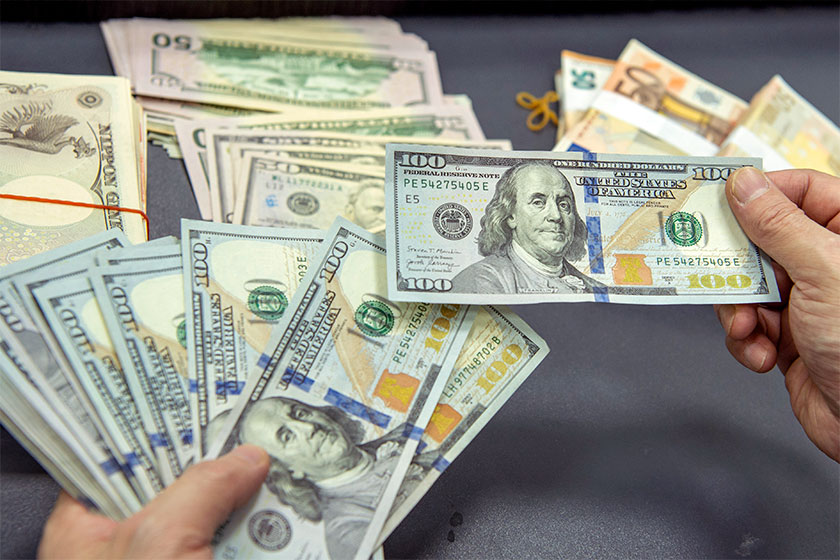
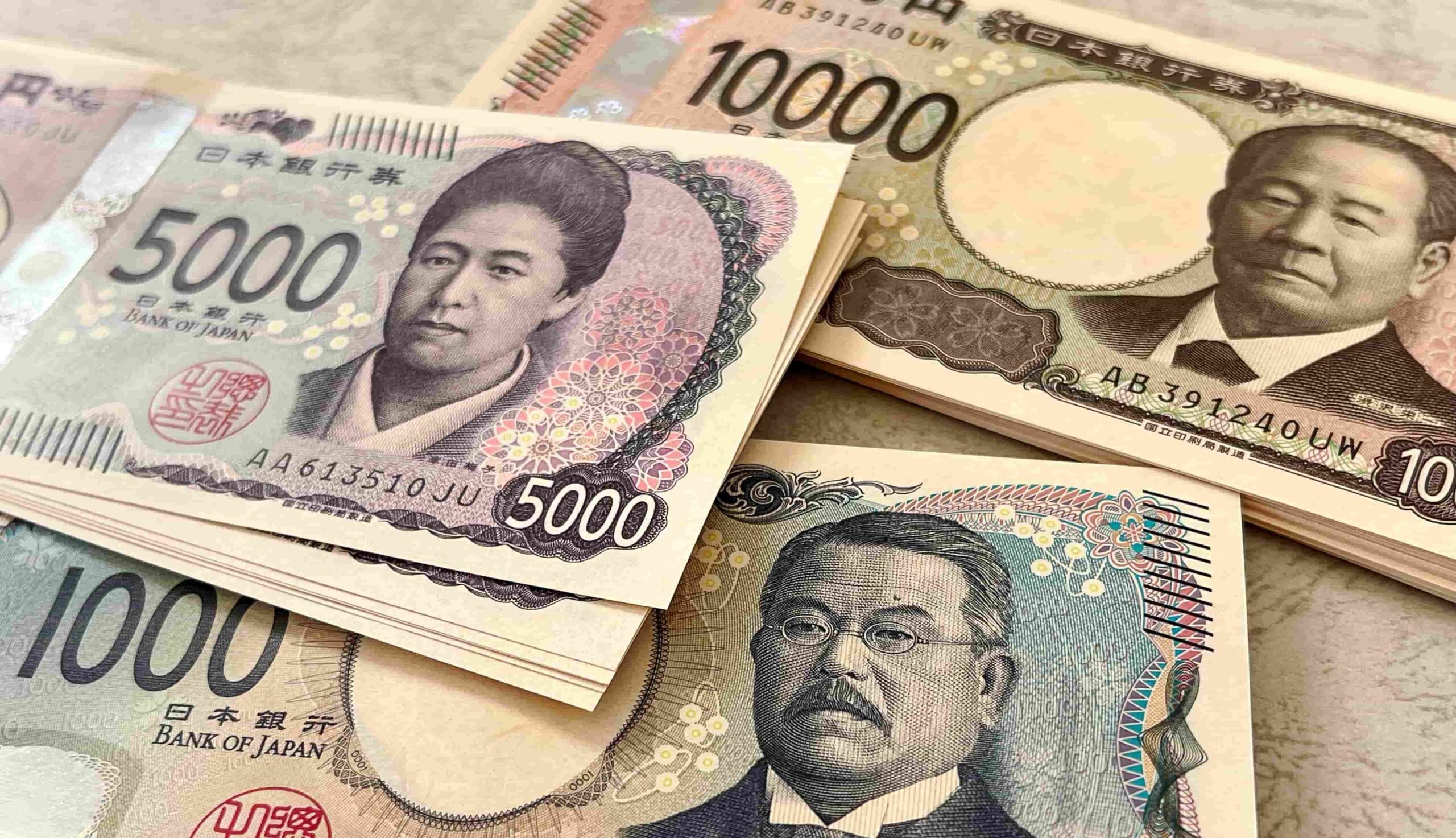
For currency traders, the renewed dollar strength changes the technical and fundamental outlook for key pairs such as EUR/USD, GBP/USD, and USD/JPY. Euro-dollar has already retreated from recent highs as investors reassess the likelihood that the Fed will remain restrictive for longer. Meanwhile, the Japanese yen remains vulnerable because Japan continues to maintain ultra-loose monetary policy compared to the US.
This news also matters for commodity markets, since many raw materials are priced in dollars. When the USD rises, it tends to weigh on gold, oil, and industrial metals, affecting global trade and inflation trends.
Our Expert Take
From a professional market perspective, the latest jobs data reinforces the idea that the US economy remains the strongest among major developed nations. That relative strength is a powerful driver of capital flows into US assets, including bonds and equities, which in turn supports the dollar.
We believe the key risk for dollar bears is that inflation may stabilize above the Fed’s comfort zone, forcing policymakers to keep rates higher for longer. If that scenario plays out, the dollar could remain firm through the first half of the year, particularly against lower-yielding currencies such as the yen and Swiss franc.
However, this is not necessarily the start of a one-way USD rally. If upcoming inflation or retail sales data weaken, markets could quickly return to pricing in rate cuts. In that case, dollar strength may prove temporary. Traders should therefore watch the next batch of US macro data closely and avoid assuming that this trend is locked in.