
 Noah Carter
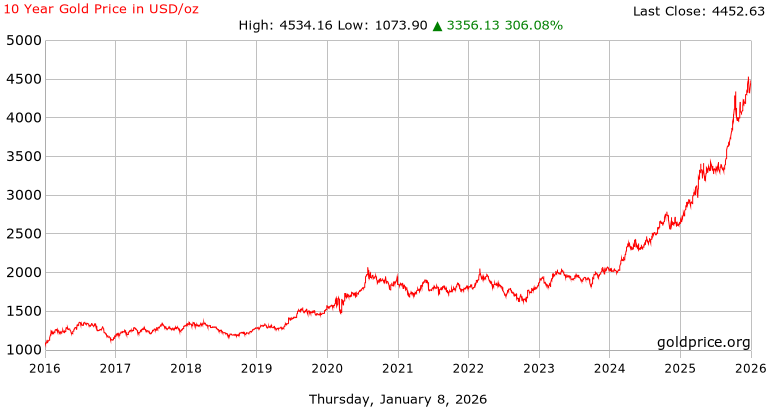
Gold prices remained firm near recent highs as investors continued to favor safe-haven assets. The precious metal found support from declining real yields, ongoing geopolitical uncertainty, and sustained central bank demand. Despite fluctuations in the US dollar, gold’s resilience has reinforced its role as a defensive allocation in diversified portfolios.
Background Context
Gold has historically performed well during periods of uncertainty, whether driven by inflation concerns, geopolitical tensions, or financial market volatility. Over the past year, the metal benefited from a combination of elevated inflation expectations and aggressive central bank buying, particularly from emerging market economies seeking to diversify reserves.
While rising interest rates initially weighed on non-yielding assets like gold, the narrative has gradually shifted. As inflation pressures eased and markets began to price in eventual rate cuts, real yields softened, improving gold’s relative attractiveness. At the same time, geopolitical risks—from regional conflicts to trade frictions—have kept demand for defensive assets elevated.、
Why This News Matters
Gold’s strength is not just a commodity story; it is a signal about broader investor psychology. When gold holds firm despite a relatively stable dollar, it suggests that demand is being driven by risk management rather than speculation alone.
For long-term investors, gold’s performance highlights its role as a portfolio hedge. It tends to behave differently from equities and bonds during stress periods, providing diversification benefits when traditional assets struggle. For traders, gold’s consolidation near highs indicates a market waiting for a catalyst—such as a clearer policy pivot or a major geopolitical development.
Central bank demand is another critical factor. Sustained official sector buying can tighten supply-demand dynamics over time, lending structural support to prices even during periods of reduced retail participation.
Our Expert Take
We view gold’s current price behavior as constructive rather than overheated. The absence of extreme speculative positioning suggests that the rally has not reached euphoric levels. Instead, gold appears to be responding rationally to macro conditions, particularly the outlook for real rates and global stability.
Looking ahead, gold’s trajectory will likely hinge on two key variables: the pace of monetary easing and the evolution of geopolitical risks. A gradual decline in real yields would support higher prices, while any resurgence in inflation or financial stress could accelerate safe-haven flows.
For investors, gold may continue to serve as an effective hedge rather than a high-return asset. Position sizing and time horizon remain critical, as gold’s strength often unfolds over extended periods rather than through rapid price spikes.