
 Noah Carter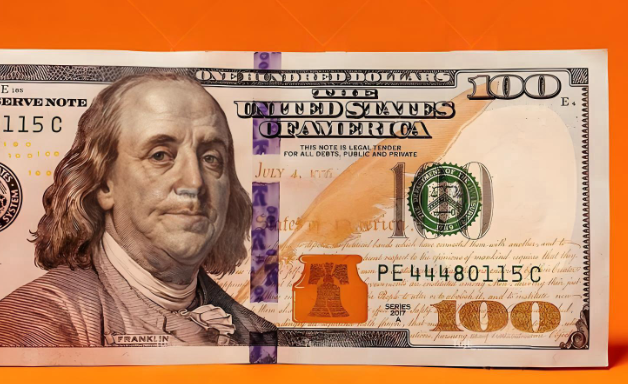
The U.S. dollar climbed to a three-month high this week following a sharply stronger-than-expected Nonfarm Payrolls (NFP) reading. According to the latest U.S. Bureau of Labor Statistics Employment Situation Report, the economy added 275,000 jobs, far exceeding market forecasts of around 185,000. Investors reacted by revising expectations for Federal Reserve rate cuts, pushing the Dollar Index (DXY) above 105, its strongest level since August.
Major currency pairs such as EUR/USD and GBP/USD slid as rising U.S. yields increased dollar demand.
Background Context
Market sentiment prior to the NFP release had been leaning dovish, with traders expecting the Fed to begin cutting interest rates in mid-2025. But the resilience seen across multiple labor indicators has complicated that narrative. Historically, strong labor data has delayed easing cycles, and this trend appears to be repeating.

Why This News Matters
The dollar’s rally has immediate implications across global markets. A stronger dollar typically pressures emerging-market currencies, commodity-linked currencies, and international trade flows. According to Reuters’ FX market overview, currencies such as the AUD, NZD, and MXN fell sharply in early trading sessions following the NFP release.
U.S. bond yields also climbed, reflecting a market less convinced that rate cuts are coming soon. This reassessment could shift trading strategies well into 2025, particularly for investors leaning toward carry trades or yield-sensitive assets.
Our Expert Take
The FX market is signaling a simple message: the Fed is not ready to pivot. Unless inflation cools materially or employment softens, policymakers are unlikely to rush into easing. Traders can monitor Fed messaging through official FOMC statements and upcoming CPI/PCE reports for confirmation.
From a technical perspective, EUR/USD appears vulnerable below 1.08, while DXY may attempt a move toward 106 if U.S. yields continue rising. For those monitoring live price trends, the MarketWatch DXY chart provides useful real-time context.
Overall, the dollar retains bullish momentum unless there is a meaningful shift in macro data.